
The frame decides the job
Deck building and deck repair in Rome, GA
A deck spends its whole life outdoors holding people off the ground. Almost everything that goes wrong with one starts somewhere water sits and cannot dry: the end of a board where it crosses a joist, the foot of a post at ground level, the gap behind the ledger where the frame meets the house. Boards and railings announce themselves. The frame underneath does not, which is why a deck can look tired and be perfectly sound, or look fine and not be.
What usually prompts the call
- Boards that feel springy underfoot, or that a screwdriver sinks into at the ends
- A handrail or guardrail that moves when you lean on it
- Stairs that flex, or a stringer split at the tread
- Posts dark and soft at ground level, or set straight into the soil with no footing
- Fasteners lifting proud of the boards, or rust staining spreading around the screw heads
- Gaps between boards packed with leaf mulch, so the wood never gets a chance to dry
- A surface gone gray and furry that soaks water up instead of shedding it
- A deck that is sound underneath and tired on top, where the boards are the only thing worth replacing
- A back door that opens onto a drop, with no landing or stair worth the name
How a deck job goes
-
The frame decides whether this is a repair or a rebuild
Soft boards, a wobbling rail and a split stair stringer are all repairs if the joists, beams and posts under them are sound, and a deck will carry a whole new surface over a good frame. If the structure has gone, new decking is money laid over the problem. Working out which one you have takes somebody underneath with a screwdriver, not a photo from the back door.
-
The ledger and the posts come before anything cosmetic
On a deck attached to the house, the ledger is the connection everything else hangs on. It wants to be bolted into the framing behind the siding, with flashing above it so water runs out, not in behind. Nails alone are not enough, and an unflashed ledger rots the wall behind it quietly for years. On a freestanding deck the same attention goes to the posts: sitting on footings, held clear of standing water, not buried in dirt.
-
New decks get set out before anything is dug
Height off the ground, where the stairs land, how the frame ties to the house, and what the footings have to carry. Those four answers decide the build, and they also decide whether it needs a permit and a designed plan, which a raised deck often does. That gets settled with the building department first. Built, then inspected, is the expensive order to do it in.
-
Material and finish chosen for weather, not for the showroom
Exterior work gets exterior-rated fasteners, because ordinary screws corrode in treated lumber and fail slowly. Resurfacing a sound frame with new decking is its own job and prices nothing like a rebuild. Finish is more about timing than product: fresh treated lumber has to dry before it will take a stain or a sealer, and putting one on too early is why some decks look blotchy from their first summer.
What drives the price
A board swap, a resurface and a new build are three different jobs sharing one word, so a square foot figure here would mean nothing. These are the variables.
- Whether the existing frame can carry new boards, which is only knowable from underneath
- Size, height off the ground, and how many flights of stairs
- Decking material: pressure-treated pine, cedar, or composite, which differ in cost now and in upkeep later
- Railing: how much of it, what it is made of, and whether the posts are staying
- Whether the deck attaches to the house or stands free on its own posts
- Ground conditions and access for footings, and how far material has to be carried from the road
- Whether a permit and a designed plan are part of the job
- For staining and sealing, how much cleaning, stripping and sanding the boards need before any finish goes on
The most useful thing to know before spending anything is whether the frame is sound, because resurfacing a good one costs a fraction of replacing the lot. It runs the other way too: new boards over failing posts is money spent twice, and you find out about three years later.
What to expect
Send photos, including a few taken from underneath, and say roughly how old it is.
We come out, probe the wood, and look at the posts and at how the frame attaches to the house.
You get a scope: what stays, what gets replaced, what material, and whether a permit is part of it.
For a new build, the height, the stair position and the railing get agreed on site before anything is dug.
Deck Building & Deck Repair questions
Can my deck be repaired, or does it need replacing?
It depends on the frame, not the boards. If the joists, beams and posts are sound, then soft boards, loose railings and split stair stringers are all repairs, and a deck will take a lot of new decking over a good frame. If the structure itself has gone, posts rotten at ground level or joists soft where they meet the ledger, then patching stops making financial sense and a rebuild wins over any timescale worth planning for. That distinction needs someone under there with a screwdriver.
My railing wobbles when I lean on it. Is that a quick fix?
Often, and it is worth taking seriously either way, because a guardrail is the one part of a deck that gets tested by somebody falling against it. The movement is usually in the posts, not the rail: posts notched too deeply where they pass the rim joist, or held with lag screws that have loosened as the wood shrank. The fix is normally hardware and blocking at the base of the post, not a new railing. Where a post is cut through or rotten, it comes out.
Do I need a permit to build a deck?
Usually yes for a new one, and often for structural changes to an existing one. It is the local building department that decides, not us, so the answer gets checked with them while the job is being planned, not after it is standing. Height above the ground, how it attaches to the house, and anything unusual it has to carry are what push a deck toward needing a designed plan. If that is where yours lands, we will say so.
How often does a deck need staining or sealing?
Less by the calendar than by the water. Tip a cup of it onto the boards: if it beads, the finish is still doing its job, and if it soaks straight in and darkens the wood, it is due. A south or west-facing deck with no shade over it goes through finish faster than anything else on the property. Two things matter more than which product you buy: the boards have to be clean and dry when it goes on, and new pressure-treated lumber needs months of drying before it will accept anything at all.
Do you build screened porches or pergolas?
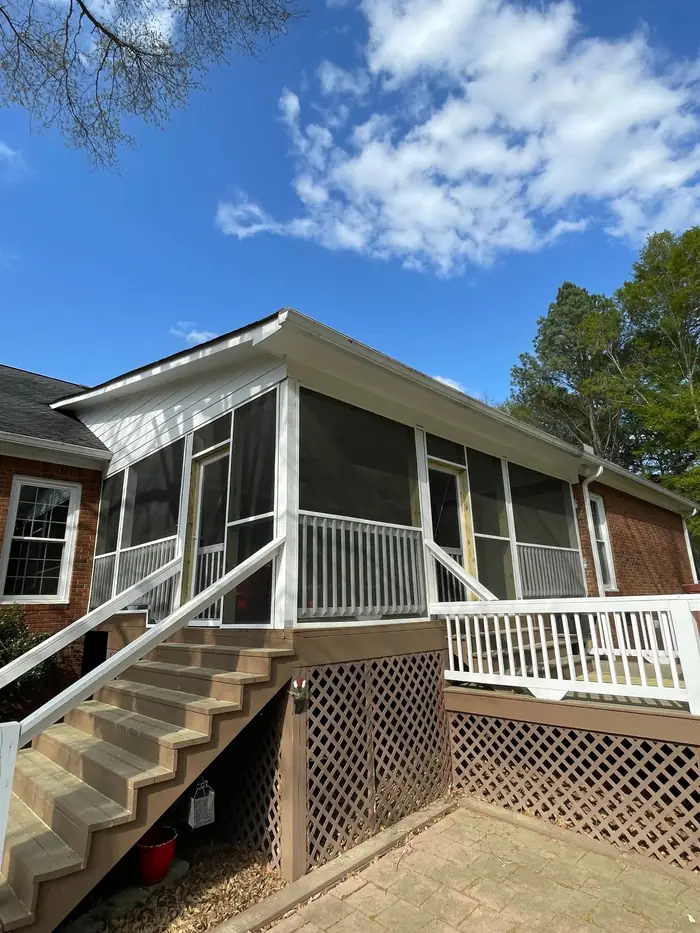
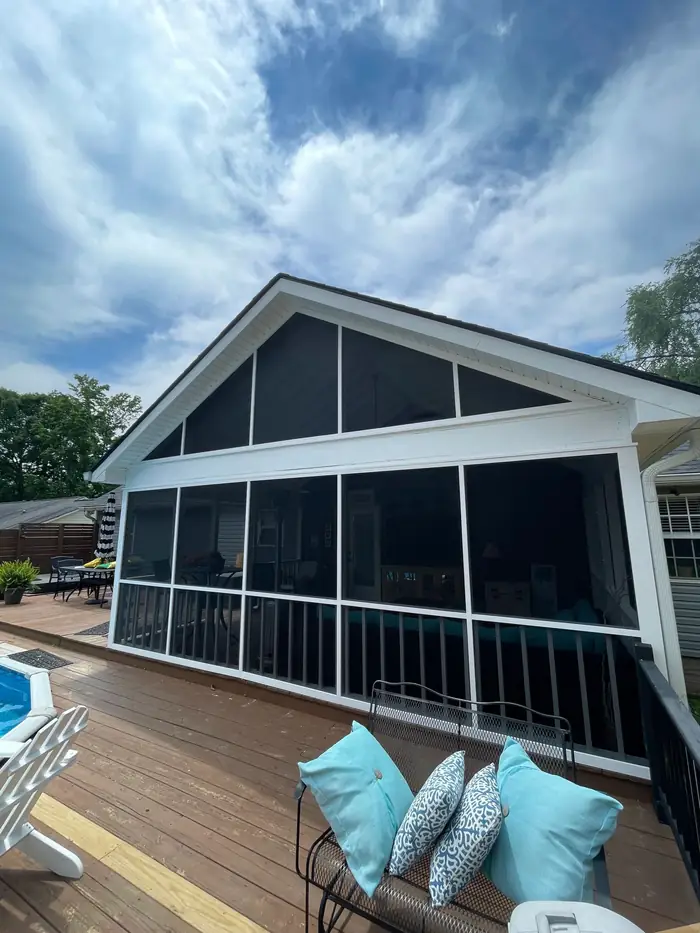
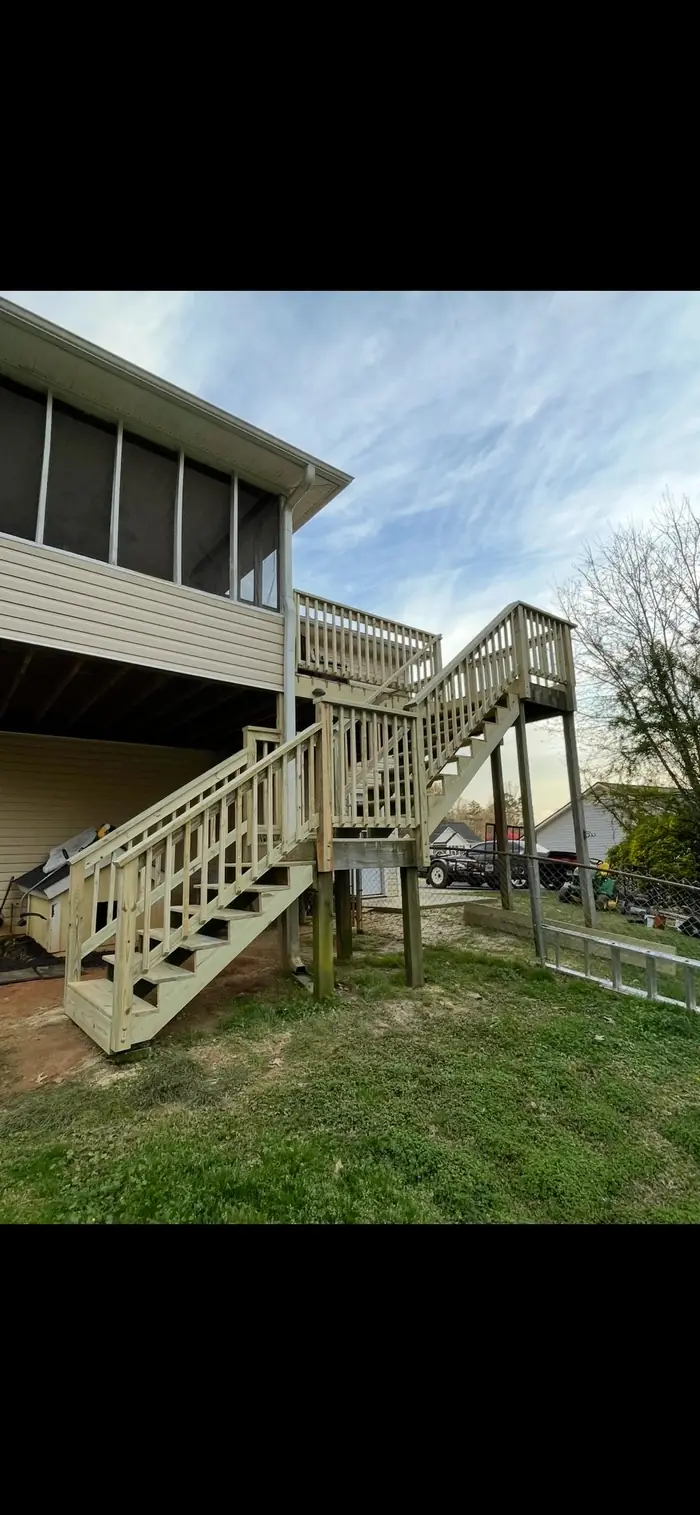
Yes, both. A pergola over an existing deck is the same carpentry with a different shape on top. A screened porch is a bigger piece of work, so it has its own page: it is a roofed structure tied into the house, which brings a roof, a permit and usually a design with it. That means a visit and a proper drawing before a price, not a number over the phone. The gallery above has two finished screened porches on it.
Where we do this work
Deck Building & Deck Repair across Rome, Floyd County and the towns around them across Northwest Georgia and Northeast Alabama, including 5 distinct parts of Rome, from Between the Rivers to the West Rome / Coosa side. That is Floyd County, Bartow County, Polk County, Gordon County, Chattooga County, Paulding County, Cherokee County, DeKalb County, Cobb County, Walker County, Haralson County and Cherokee County, anywhere inside about a 45-minute drive of Rome.
Town by town, that means Rome, Lindale, Adairsville, Cedartown, Summerville, Rockmart, Calhoun, Cartersville, Euharlee, Shannon, Cave Spring, Kingston, White, Emerson, Plainville, Resaca, Fairmount, Aragon, Trion, Lyerly, Menlo, Dallas, Centre, Cedar Bluff, Sand Rock, Gaylesville, Fort Payne, Mentone, Valley Head, Acworth, Kennesaw, Buchanan, LaFayette and Waleska. Smaller places in those counties are covered too. The full picture.
Recent work
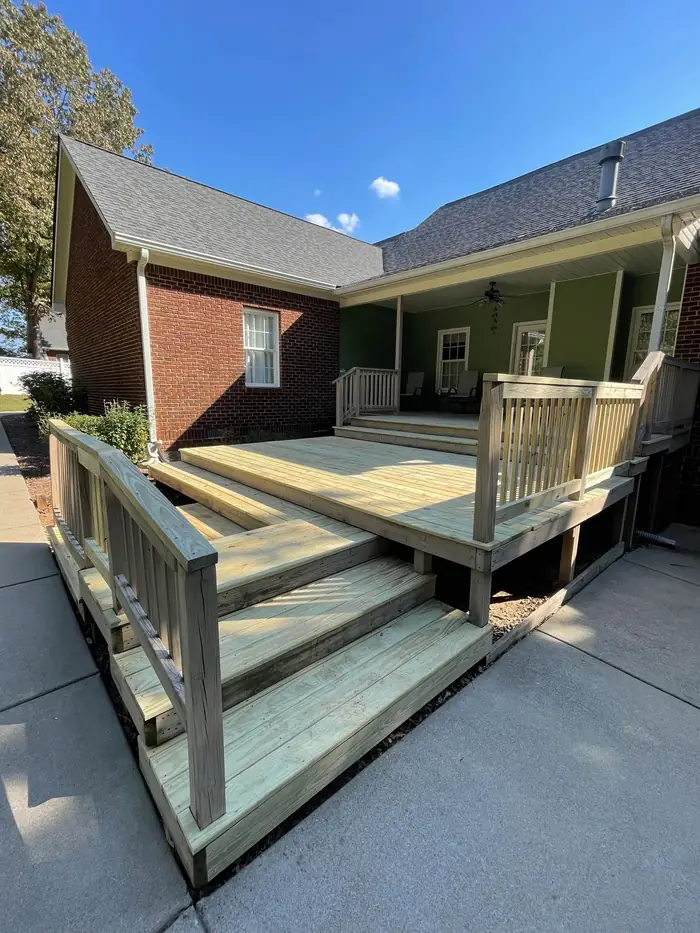
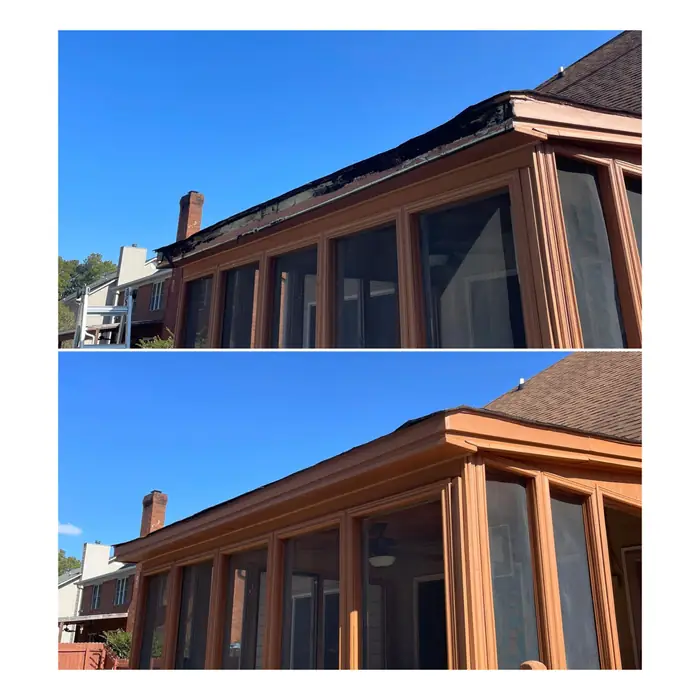
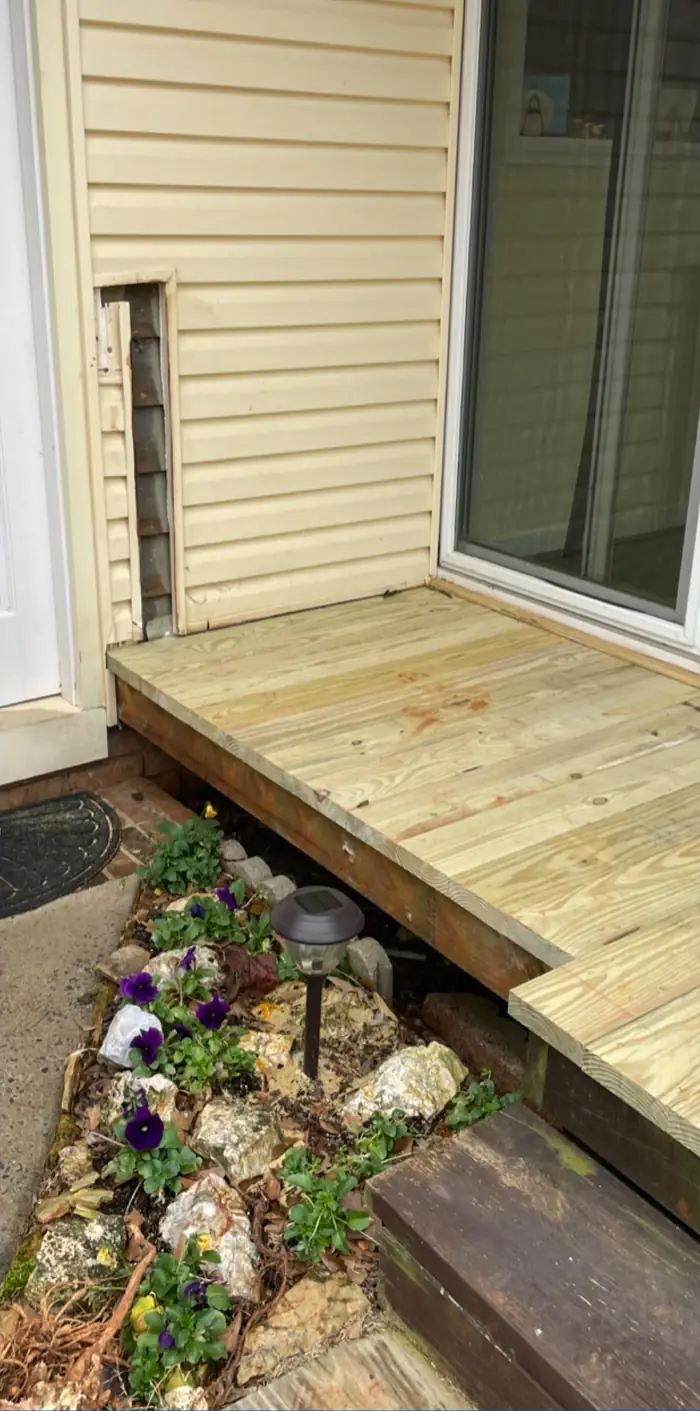
Decks we have finished
Our own photographs, taken on the job.
Before you call
Work out what you are looking at
The same checks that happen on site, written down. Worth a read if you want to know whether what you have is a small repair or the start of something bigger.
How to tell if a deck is still safe
The ledger, the post bases and the railing decide whether a deck is safe. The boards mostly decide how it looks.
Read itHow to tell whether to repair or replace
One test decides it: what a screwdriver finds under the damaged surface, not what the surface looks like.
Read itOften booked together
Related work
These come up alongside decks often enough to be worth mentioning when you call.
Siding & Structural Repairs
Damaged siding, rotten soffit and fascia and spongy subfloor, cut back to sound wood.
What's involvedHandyman & Home Repair
One visit for the pile of small jobs that never justify a specialist on their own.
What's involvedGutter Cleaning & Repair
Cleared by hand, every downspout flow-tested, sagging sections re-secured.
What's involvedNeed decks in Rome?
Send photos from on top and from underneath, and say whether you want the deck you have sorted out or a different one built. Anything structural then needs a short visit before a price.