
Repaired where it's sound, replaced where it isn't
Siding and structural repairs in Rome, GA
Wood fails from water, and water is patient. Soffit rots where a gutter has been overflowing for two seasons. Siding goes soft along the bottom course, where splashback keeps it wet after every storm. A subfloor goes spongy by a bath long before anything shows on the surface. Caught early these are repairs. Left alone they become replacements, and the difference in cost is not small.
Signs worth acting on
- Siding that is cracked, loose, buckling, or soft when pressed
- Soffit or fascia that is stained, sagging, or has a hole where birds have got in
- Paint that will not hold on one board or one corner, however many times it is redone
- Exterior trim opening up at the joints, especially at the foot of a corner board
- A floor that feels spongy underfoot, or dips near a toilet, bath or exterior door
- Floor tiles or grout cracking in a line, which often means movement below
- Fence panels leaning, or posts loose at ground level, which is fencing work
- Any exposed wood that stays dark and damp days after rain
How the work goes
-
Probe before quoting
Rot spreads further than it shows. We test the wood around the visible damage to find where sound material starts, because that boundary, not the stain, is what the repair has to reach. Quoting from a photo alone on rot work is how jobs double in price halfway through.
-
Find the water
Wood does not rot without a reason. An overflowing gutter, a failed flashing, a downspout discharging against the wall, or ground contact holding moisture against a post. Replacing the wood without fixing the cause buys a couple of years at best, so the cause gets identified and reported even where fixing it is a separate job.
-
Replace to sound material, fixed properly
Cut back to solid wood, with new material fixed into structure, not into the damaged piece it is replacing. Exterior work gets exterior-rated fixings. Ordinary screws in treated wood corrode and fail, which is a slow way to create the same problem again.
-
Say plainly when repair is the wrong answer
Some siding runs are past patching, and some subfloors need more than a section cut out. When that is the case we will say so, with the reason, even though it is a bigger job than the one you called about. Structural work also crosses into licensed contractor territory.
What drives the price
Rot work is the one category where a figure given before anyone has probed the wood is a guess. These are the variables.
- How far the rot actually extends once probed, which is usually further than it looks
- Whether the damage is surface (siding, soffit, trim) or structural (joists, headers, posts)
- Access: second-story soffit and fascia need ladders or staging
- Whether the water source needs addressing as part of the job
- Matching existing material: older siding profiles and trim sizes are not always still sold
- For subfloor, whether finished flooring has to come up and go back down
Rot repairs are the one category where an honest quote needs eyes on it. A photo tells us whether to come out; it does not tell us where sound wood starts.
What to expect
Send photos and describe how long it has looked that way, history matters with water damage.
We come out and probe the area to establish the real extent before pricing.
You get a scope that says what is being replaced, and what we found as the cause.
If we think the job is bigger than a repair, you will hear that with the reasoning.
Siding & Structural Repairs questions
Can you match my existing siding?
Often, though older profiles and colors are not always still manufactured. Where an exact match is not available we will tell you the options: closest available profile, sourcing salvage, or relocating an inconspicuous section to make the visible repair match. What we will not do is fit something obviously different and let you discover it afterward.
Is it worth patching siding, or should the whole wall be redone?
It comes down to how much of the wall is actually failing and why. Two or three boards soft at the bottom of an otherwise sound wall is a repair, and a good one lasts as long as the rest. A wall where damage keeps appearing in new places is telling you something about water getting behind the cladding, and patching that is a subscription, not a fix. We will say which of the two we think you have.
What does a spongy floor usually mean?
Most often water damage to the subfloor beneath the finished flooring, and most often near a bath, a toilet, a dishwasher, or an exterior door. Sometimes it is subfloor that was never adequately supported. Either way the finished flooring has to come up over the affected area to see it, which is why an accurate quote needs a visit.
Why does my soffit keep rotting in the same place?
Almost always water arriving where it shouldn't: a gutter running over at that point, a blocked downspout, or a roof edge detail sending water behind the fascia instead of into the gutter. That is why we look at the gutters as part of any soffit repair. Replacing the wood alone puts you back in the same place in a couple of seasons.
Where we do this work
Siding & Structural Repairs across Rome, Floyd County and the towns around them across Northwest Georgia and Northeast Alabama, including 5 distinct parts of Rome, from Between the Rivers to the West Rome / Coosa side. That is Floyd County, Bartow County, Polk County, Gordon County, Chattooga County, Paulding County, Cherokee County, DeKalb County, Cobb County, Walker County, Haralson County and Cherokee County, anywhere inside about a 45-minute drive of Rome.
Town by town, that means Rome, Lindale, Adairsville, Cedartown, Summerville, Rockmart, Calhoun, Cartersville, Euharlee, Shannon, Cave Spring, Kingston, White, Emerson, Plainville, Resaca, Fairmount, Aragon, Trion, Lyerly, Menlo, Dallas, Centre, Cedar Bluff, Sand Rock, Gaylesville, Fort Payne, Mentone, Valley Head, Acworth, Kennesaw, Buchanan, LaFayette and Waleska. Smaller places in those counties are covered too. The full picture.
Recent work
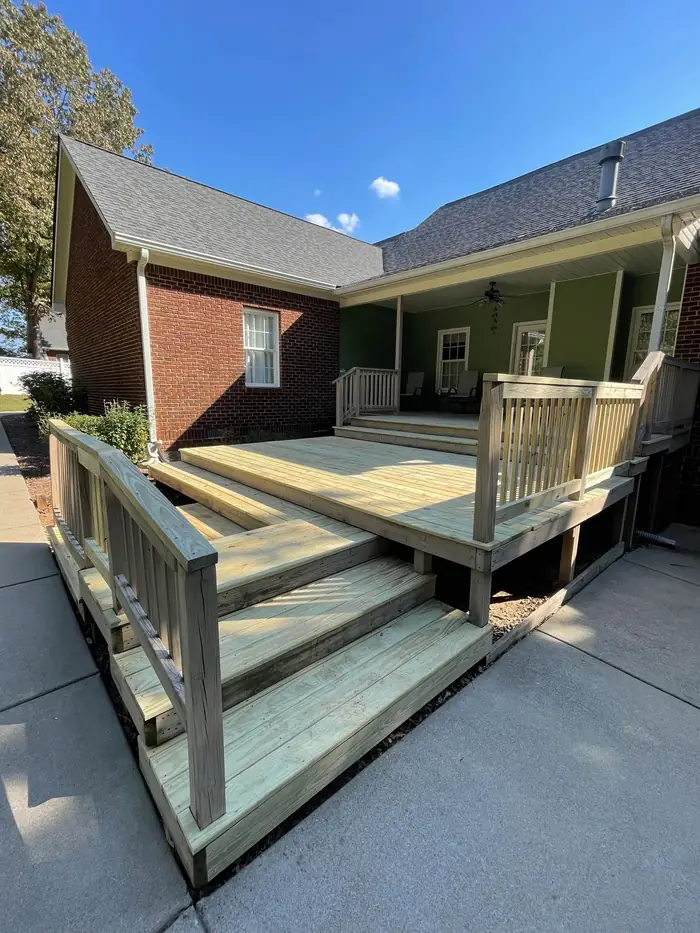
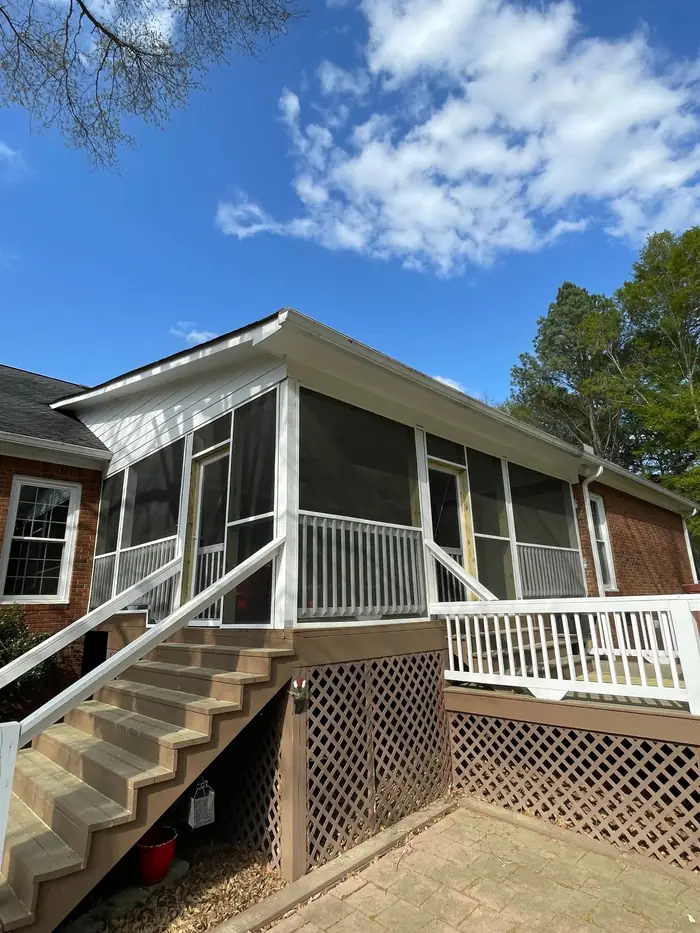
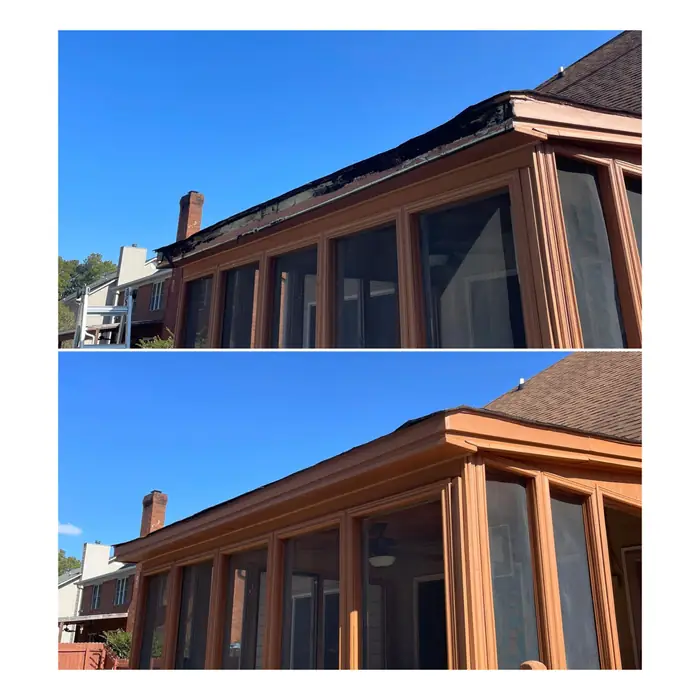
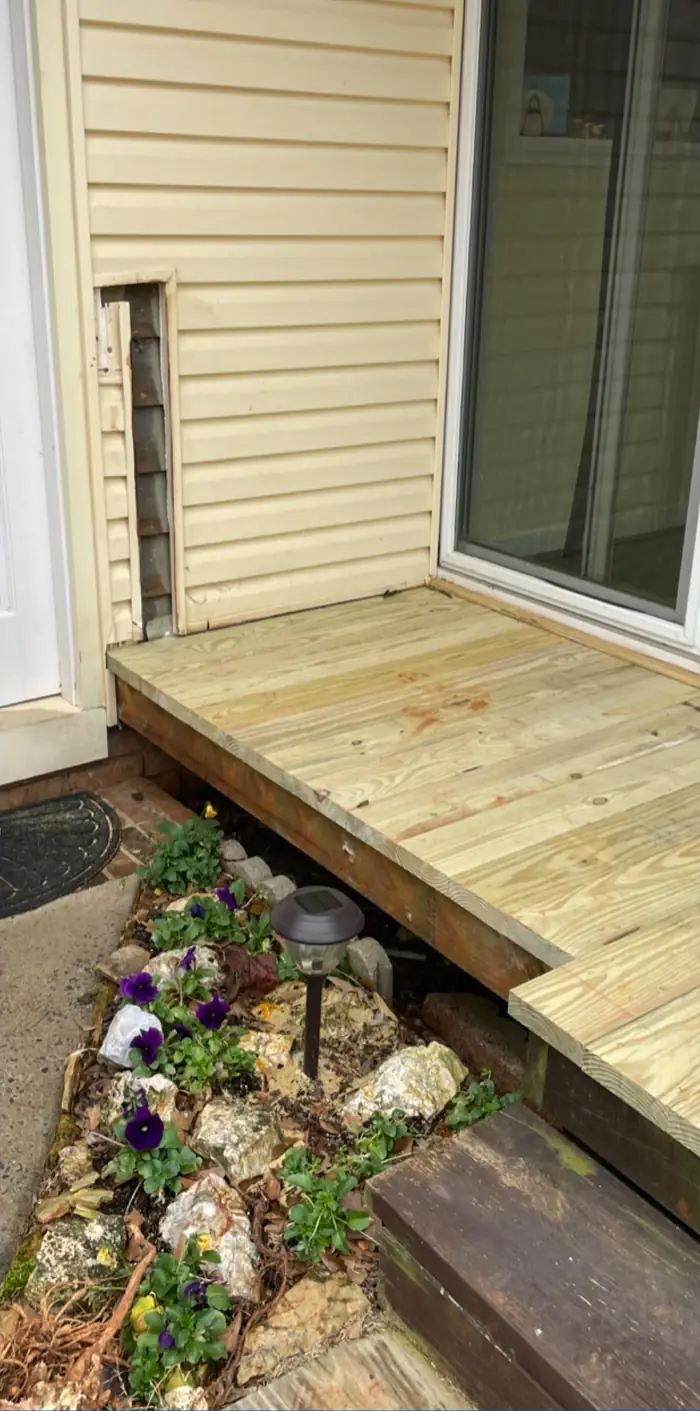
Siding & Structural we have finished
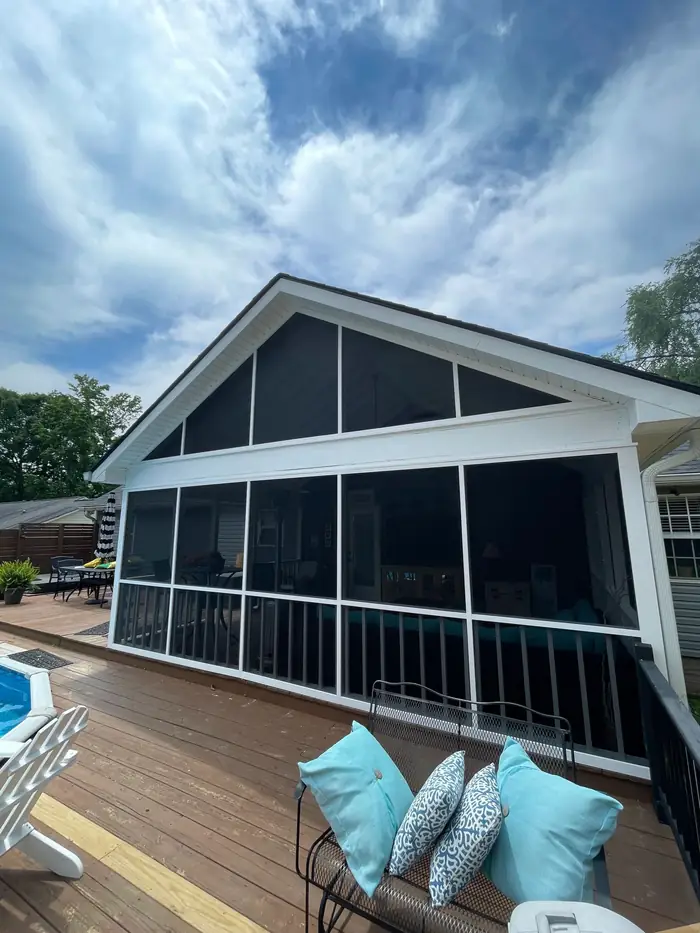
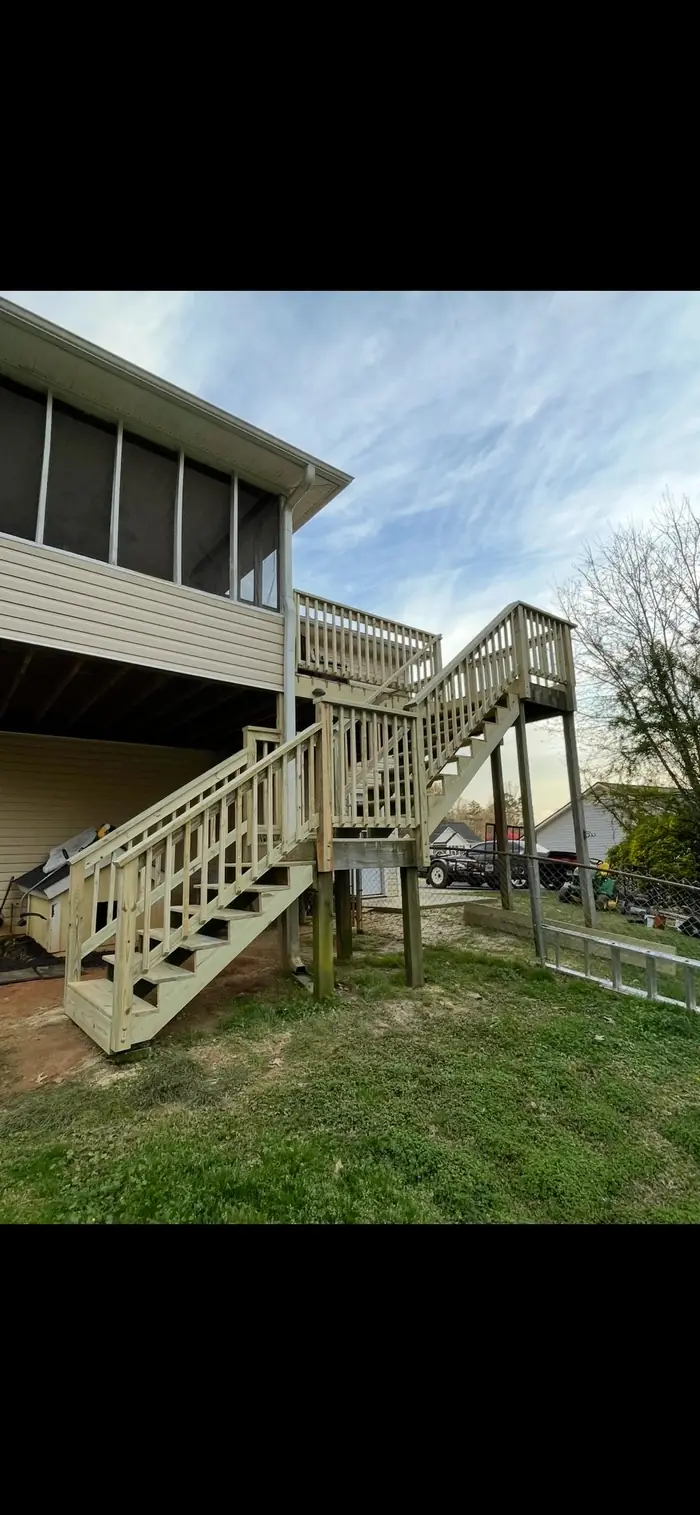
Our own photographs, taken on the job.
Before you call
Work out what you are looking at
The same checks that happen on site, written down. Worth a read if you want to know whether what you have is a small repair or the start of something bigger.
What a soft, springy or squeaky spot in the floor means
Bounce, a soft patch and a dip are three different faults, and which one you have decides whether it can wait.
Read itWhy a door sticks in summer and not in winter
A door that sticks a little worse every year is usually a top hinge letting go of the jamb, and the gap around it says which.
Read itWhy gutters overflow even when they look clear
An empty trough still runs over when the pitch is off, the downspout is packed, or a valley is dumping into one foot of gutter.
Read itOften booked together
Related work
These come up alongside siding & structural often enough to be worth mentioning when you call.
Deck Building & Deck Repair
New decks built, and old ones sorted out: boards, railings, stairs and the framing underneath.
What's involvedGutter Cleaning & Repair
Cleared by hand, every downspout flow-tested, sagging sections re-secured.
What's involvedHandyman & Home Repair
One visit for the pile of small jobs that never justify a specialist on their own.
What's involvedNeed siding & structural in Rome?
Send photos and say how long it has looked that way. Rot work then needs a short visit to probe before anyone quotes it.